
News (category: "Ricerca")
The International Conference of IFToMM Italy held in Umbria for the first time. Three days of scientific exchange organised by the University of Perugia, featuring 130 research contributions
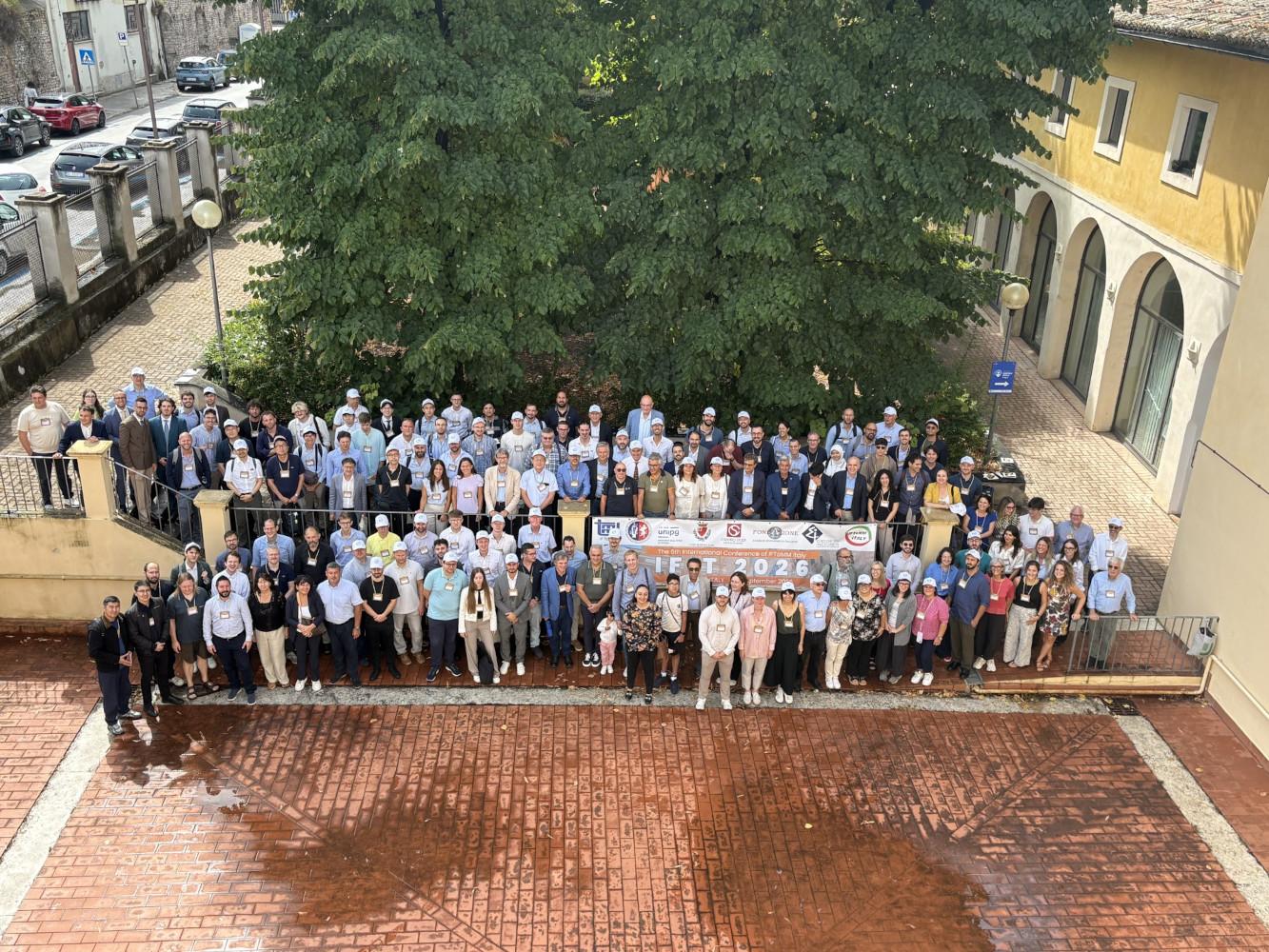
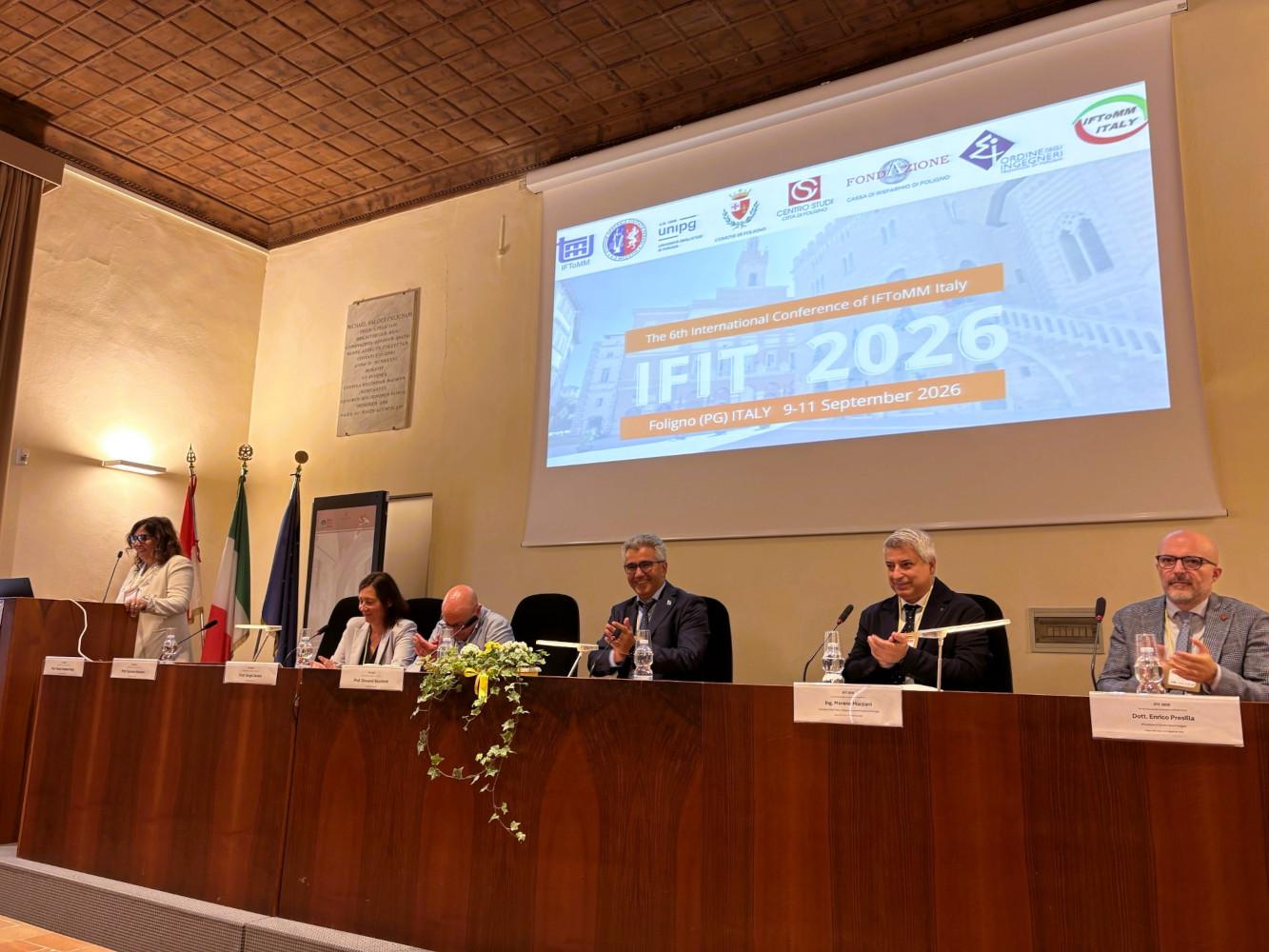
Over 160 researchers from 13 countries and 130 scientific contributions: these are the key figures of the sixth edition of IFIT – International Conference of IFToMM Italy, which brought together the international scientific community working in the fields of Applied Mechanics, Mechanisms and Machine Science in Foligno from 9 to 11 September 2026.
Held in Umbria for the first time, the conference was organised under the leadership of prof. Maria Cristina Valigi, Conference Chair, and prof. Silvia Logozzo, Conference Secretary, both from the Department of Engineering of the University of Perugia. The event was held under the auspices of IFToMM World – International Federation for the Promotion of Mechanism and Machine Science, the international federation of which IFToMM Italy is a member.
The opening day, 9 September, began at Palazzo Trinci with the official opening ceremony and the plenary lectures, while the scientific sessions continued at the University of Perugia premises at the Centro Studi Città di Foligno. Over the three days, researchers presented and discussed the latest theoretical and experimental results in the field, providing opportunities for exchange among international research groups and fostering new collaborations between universities and industry.
Three plenary lectures were delivered by internationally renowned academics and professionals. prof. Paulo Flores, from the University of Minho, addressed the engagement of Generation Z in the study of machines and mechanisms through student-centred teaching approaches; prof. Masaharu Komori, from Kyoto University, presented a lecture on Riding Robotics and Ability Mining. The relationship between academic research and industry was also represented by eng. Luca Galletti, from Officine Meccaniche Galletti – O.M.G. S.r.l. in Perugia, who presented the milestones of the company’s collaboration with the University of Perugia in the field of Mechanism and Machine Science.
The dialogue between scientific research and industry was indeed one of the central elements of the event, together with the international dimension of the conference and the opportunity to bring together different experiences, methodologies and fields of application.
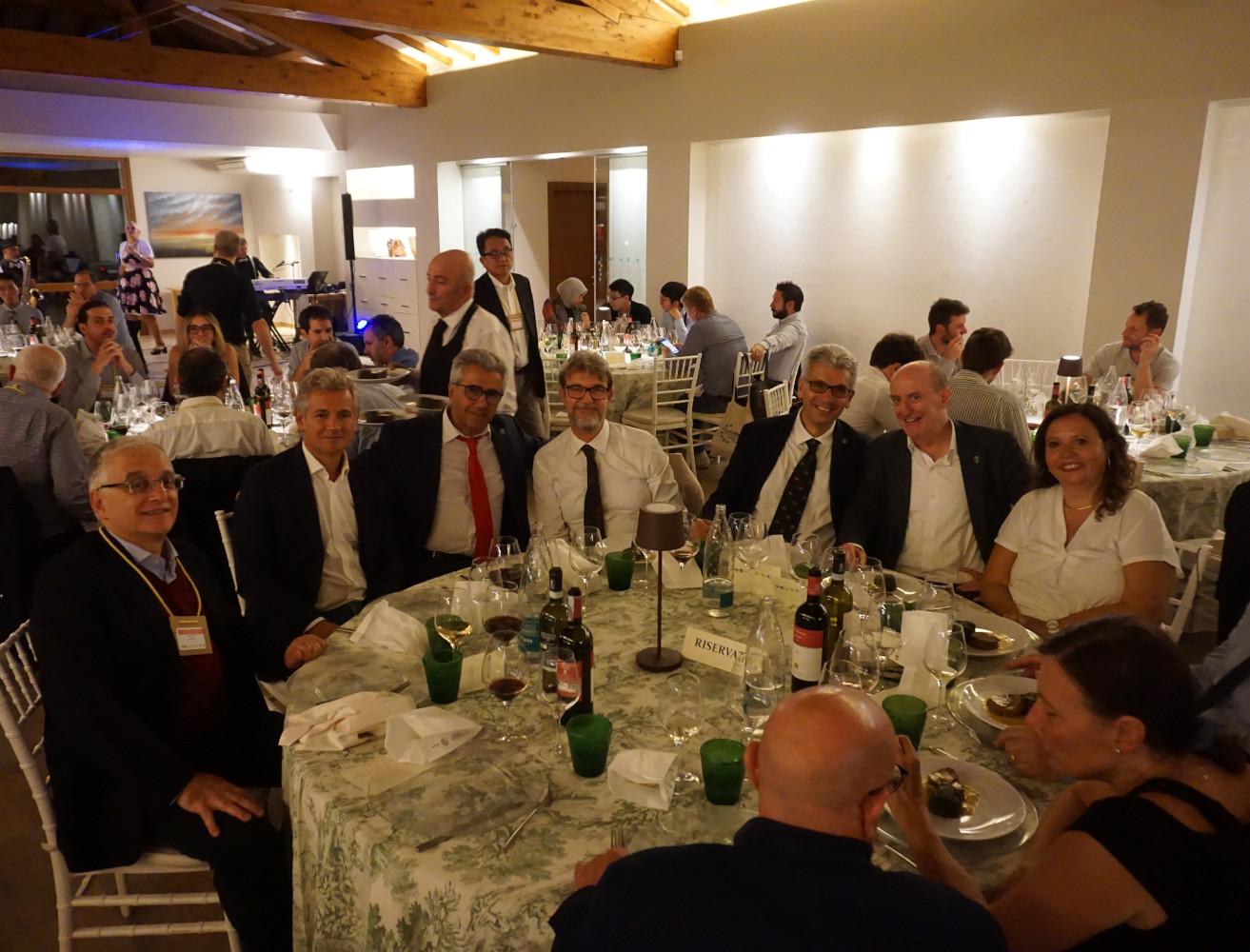
During the Gala Dinner, which was attended by the Deputy-Rector of the University of Perugia, prof. Alceo Macchioni, the award ceremony for the best scientific contributions presented during the conference also took place.
IFIT 2026 was held under the patronage of the University of Perugia, the Order of Engineers of the Province of Perugia, the Municipality of Foligno, the Fondazione Cassa di Risparmio di Foligno, and the Centro Studi Città di Foligno.
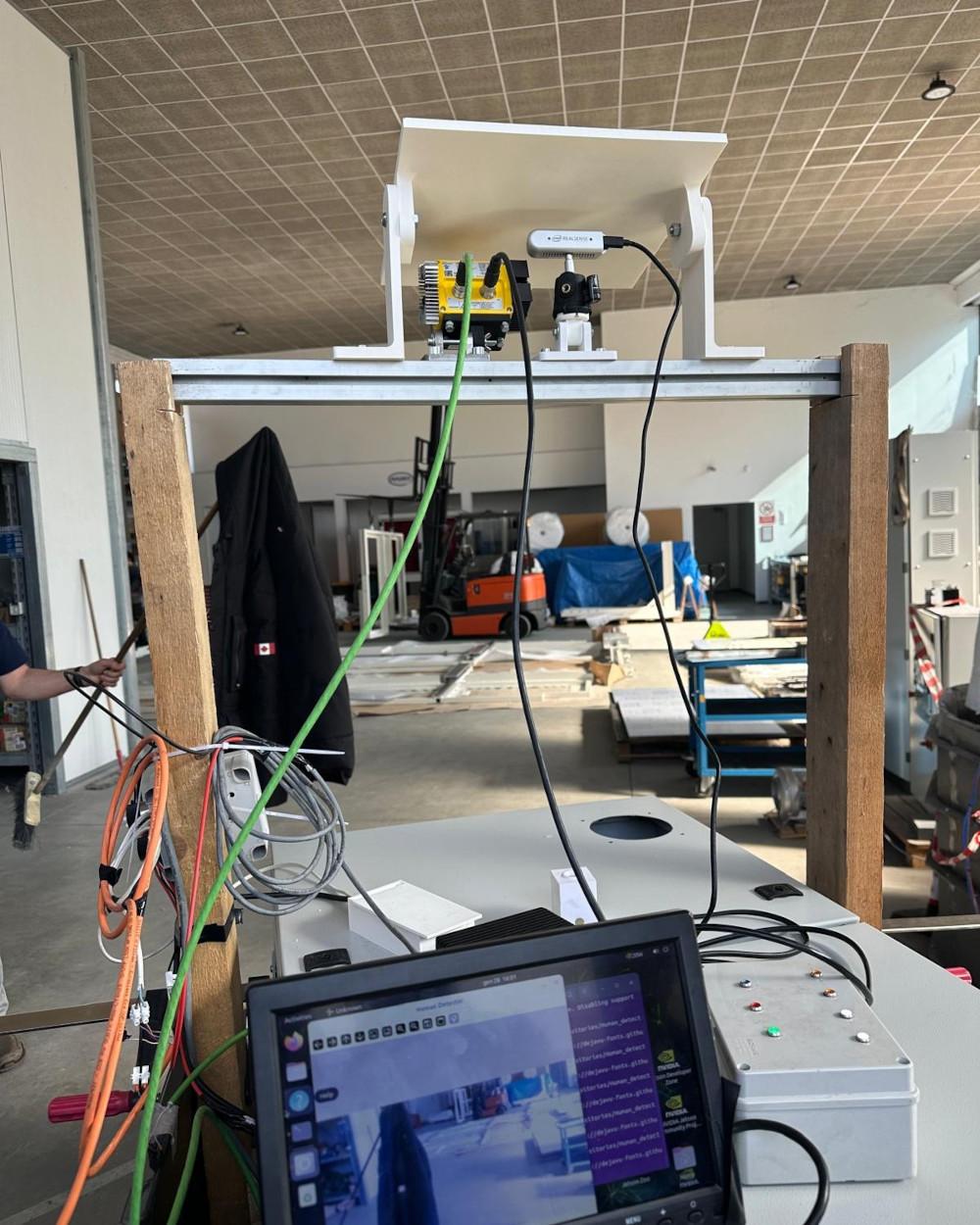
Il Dipartimento di Ingegneria dell'Università degli Studi di Perugia, con il Prof. Luca Landi, partecipa in prima linea insieme ai partner di progetto all'iniziativa INAIL BRIC 2024 "MACHINE 5.0".
Questa iniziativa rappresenta un eccellente esempio di come università, enti e aziende italiane possano unire le forze per un obiettivo cruciale: sviluppare tecnologie avanzate in cui la sicurezza degli operatori umani è sempre al centro.
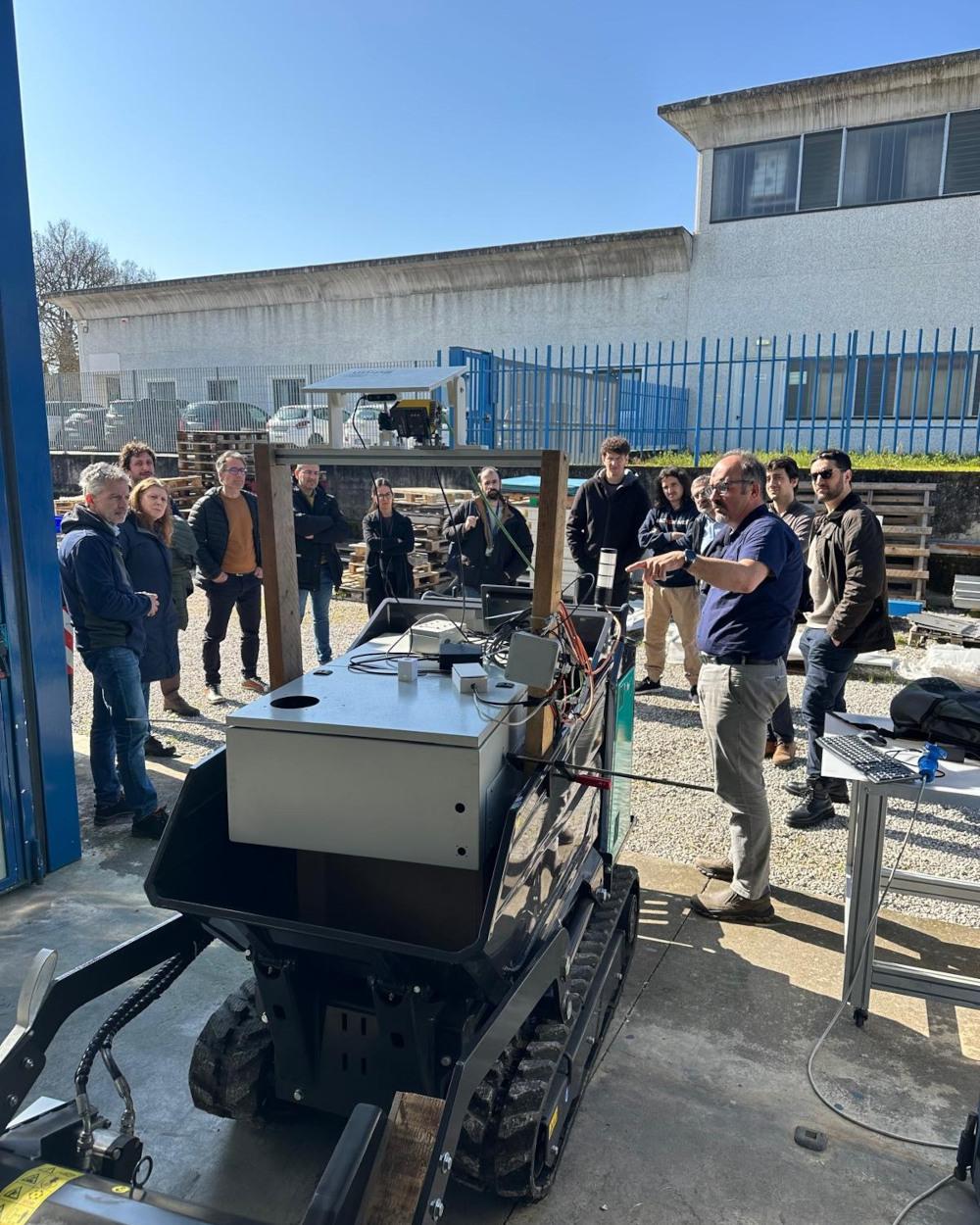
Durante la recente giornata di sperimentazione presso l'azienda Mainit a Sinalunga (SI), sono stati testati sul campo i risultati di questa sinergia. Un compatto veicolo cingolato è stato equipaggiato con un innovativo sistema di visione e monitoraggio montato a bordo della struttura.
Originariamente operato manualmente, il veicolo sarà reso autonomo per muoversi nei cantieri seguendo percorsi predefiniti. Durante la navigazione autonoma, il sistema integrato controlla costantemente l'area circostante ed è in grado di bloccare istantaneamente la macchina nel caso in cui rilevi selettivamente l'ingresso di una persona all'interno del perimetro di lavoro. Questa tecnologia risulta fondamentale per monitorare in tempo reale specialmente quegli angoli visivi ciechi che non sono direttamente coperti dall'operatore.
Il sistema completo permetterà così di svolgere operazioni autonome mitigando efficacemente i rischi sia per gli operatori diretti che per le altre presenze umane nel cantiere. L'impegno condiviso di tutto il team di ricerca è rivolto a costruire i cantieri del futuro: più intelligenti e, soprattutto, più sicuri.
Il progetto è reso possibile grazie alla preziosa collaborazione tra: Università degli Studi di Perugia, Sapienza Università di Roma, Università di Pisa, Inail, Aintronik, Mainit, Università della Tuscia.