|
Bioengineering applies engineering principles and methodologies to biological and medical sciences to better understand biological phenomena, to develop new techniques and devices, to improve patient care.
Research programs include:
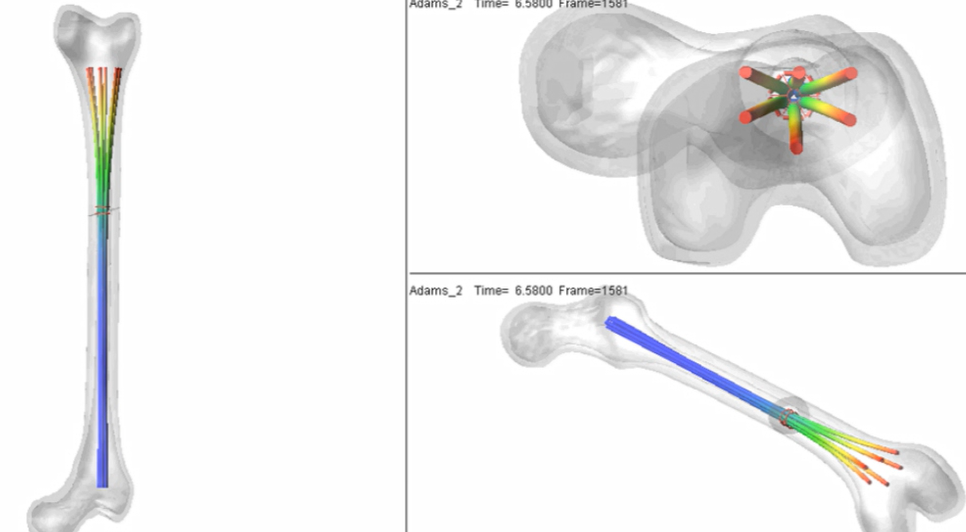
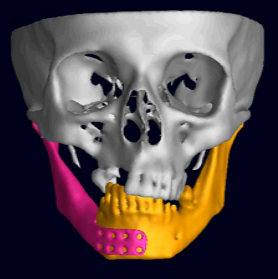
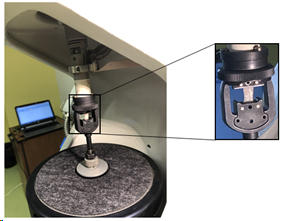
The design and analysis of medical devices and implants – Applications to orthodontic, orthopaedic, cardiovascular, and musculo-skeletal systems: they are studied both numerically (finite element models, multibody models) and experimentally (strain gauges, differential thermography, etc.) in order to assess and to optimize stress/strain distributions. Detailed geometrical models are built form CT, RM, laser scans through reverse engineering techniques.
Impact biomechanics - Impact biomechanics is dedicated to injury prevention through environmental control. Its goals are the protection of vehicle occupants, of pedestrians, of workers, of athletes. The research is based on finite elements numerical models, calculated by explicit solvers.
Ergonomics - Biomechanical principles are applied to the design, analysis and optimization of workplaces and of sport equipment, in order to reduce musculoskeletal disorders. In vivo measures allow assessing the human exposure to physical agents, and the respective human response.
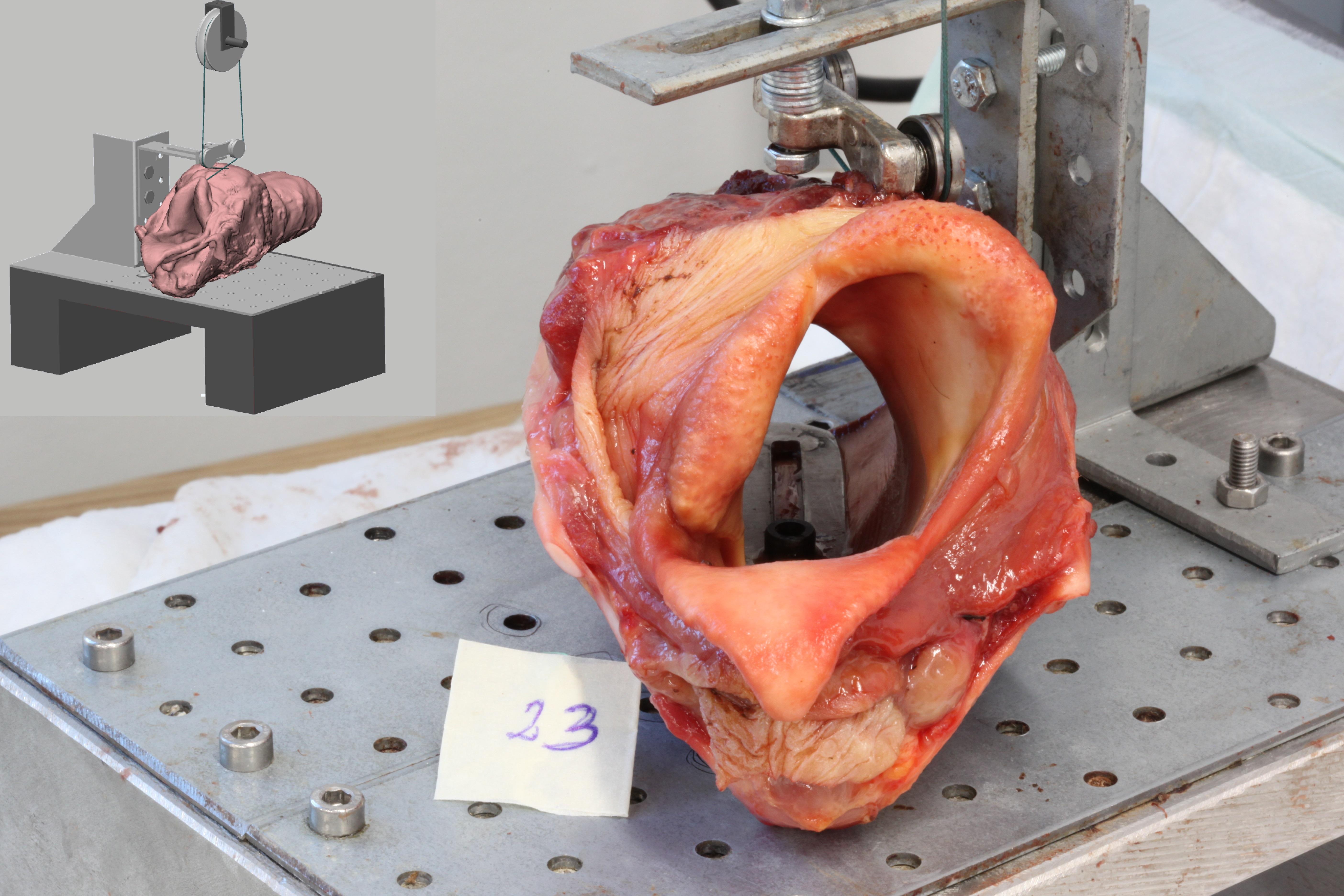
Tissue mechanics - Researches focus on material characterization of native and healing biological tissues as well as tissue engineered biomaterial constructs. Material testing methods and constitutive models are used to describe the mechanical behaviors of these tissues in compression, tension and shear. Both hyperelastic and viscous behaviors are considered.
Tissue engineering in silico - Design of bioreactors and optimization of their operative conditions taking into account cellular and chemical parameters for tissue growth, covering the processes of cellular proliferation, differentiation, movement, attrition, matrix secretion and remodeling. Multiphysics FEM analisys involving CFD, Chemical and Structural Mechanics modules.
|
||||||||||
|
People
|
||||||||||
|
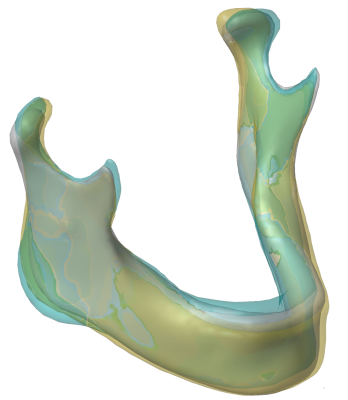
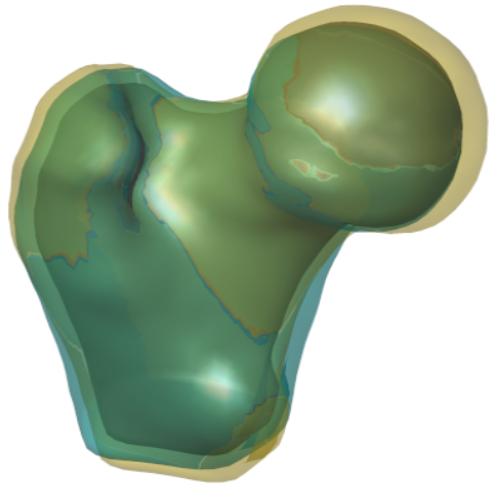
Shared Files Two databases were used as input data: the first database comprised 40 mandibles, while the second one comprised 98 proximal femurs. The “average shape” and principal components that were required to cover at least 90% of the whole variance were identified for both bones, as well as the statistical distributions of the respective principal components weights. Fifteen principal components sufficed to describe the mandibular shape, while nine components sufficed to describe the proximal femur morphology. The following routines have been set up to generate any number of mandible or proximal femur geometries, according to the actual statistical shape distributions.
Stochastic Proximal Femur Generator
(please, don't forget to give credits to this work, citing the respecive reference: |
Bioengineering - IBIO-01/A
- Details